Introduction
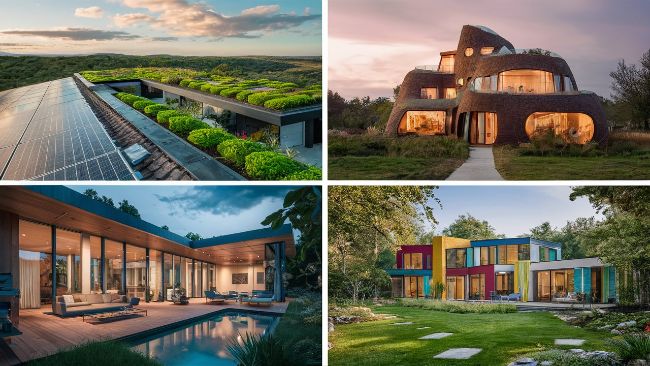
You wish that your home could work more efficiently, take care of the planet, and appreciate in value over time. You could achieve this with comfortable and economical eco friendly houses. You want to learn the benefits of sustainable architecture.
You will learn tips on how to design an energy-efficient house, ideas on solar powered houses, and durable green construction materials. I will provide you with statistics, legislation, professional opinions, and practical examples.
By the end, you will have an understanding of the attributes you are then able to incorporate. You will evaluate the cost versus the value gained. You will ensure that your planning is well thought out with respect to future profits. Let’s examine how the use of sustainable design can increase the value of your home.
For sellers and investors, it’s important to master the basics of property flipping and strategies for maximizing rental ROI. Knowing how sustainable real estate gains value, planning for closing costs, and even learning how to sell a home by owner can make all the difference in achieving long-term success.
What Does “Eco Friendly Homes” Mean
You have probably come across this phrase. It is defined as houses that are designed to have a low impact on the environment. This involves energy-efficient house design, minimal waste, renewable energy, and sustainable resources. It means that you are able to maintain comfort with minimal resource consumption. You lower your utility bills, as well as, your carbon emissions.
It is designed to promote health, safety, and comfort. You apply sustainable architecture principles like orientation, insulation, passive solar heating, and water conservation. You utilize green construction materials such as reclaimed wood, recycled steel, and bamboo. You may incorporate solar powered houses or heat pumps. Eco friendly homes embody an integrated approach to design, construction materials and energy systems.
Why Sustainable Architecture Adds Value
There is value in cutting operational expenditures. There is a market segment willing to pay for both conservation and practicality. You are meeting regulatory frameworks heading towards sustainability. For instance, US Energy Star homes sell at a premium, and in higher volume. U.S. Department of Energy indicates homes with high energy performance can save owners 20–30% in heating and cooling costs.
You’ll also benefit from the incentives. Governments frequently provide tax refunds for solar system installations, and other subsidies. You can also receive green building certifications from LEED (Leadership in Energy and Environmental Design), and Passive House.
Certified sustainable homes are often sold at a premium, insulation protects investment: durable green building materials resist decay, and infestations. You demonstrate reliability and creative thinking. Sustainable architecture is a trustworthy investment. You are able to mitigate the risk of future regulatory changes.
Key Sustainable Features That Add Value
These are the key, major features that you can use. You select the ones that are the most suitable for the region, financial resources, and objectives.
1. Designing for Energy Efficiency
Daylight may be maximized and heat loss minimized by the effective placement of windows. Walls, roof, and floor insulation are high R value insulation. Windows can be sealed with an ENERGY STAR. Ventilation can be planned naturally. Airtight, cool, or reflective roofs may be used in humid or hot weather.
2. Utilizing Solar Energy for Homes
Many governments provide solar thermal systems or install solar photovoltaic. You are able to sell the excess clean electricity. Net metering allows for the cutting down of the electricity supplied by the grid. You can capture solar energy to heat water. The system needs to be properly sized to plan for the batteries.
3. The Incorporation of Environmentally Friendly Construction Materials
These include bamboo flooring, reclaimed wood, low-VOC paints, and low-emission VOC emittance. The use of local materials is preferred in avoiding chemical transport emissions. These materials are also specified to be low-maintenance.
4. Energy Efficiency with Solar Heating and Natural Day lighting
In winter, you try to allow as much sunlight as possible, while in summer, you limit overheating. You take advantage of overhangs or awnings. You install skylights or light tubes. You use day lighting design. You reduce demand for artificial light. You achieve both comfort and savings.
5. Water Efficient Landscaping
You include rainwater harvesting, low-flow fixtures, and dual flush toilets. You use grey water recycling. You install landscape designed for low water use. You manage storm water on site. These lower utility expenses and save environmental resources.
6. Integrated Efficient HVAC with Smart Home Automation
You select high-efficiency heating, ventilation, and air conditioning systems. You use heat pumps. You combine with smart thermostats. You automate light and shade control. You manage and monitor energy usage. Smart home capabilities can improve home value and reduce waste.
7. Sustainable Landscape Design
You plant trees and native species for shade to lower cooling demand. You use permeable pavement to lower surface runoff. You design irrigation-efficient gardens. You integrate edible landscaping. All enhance the building’s curb appeal and site.
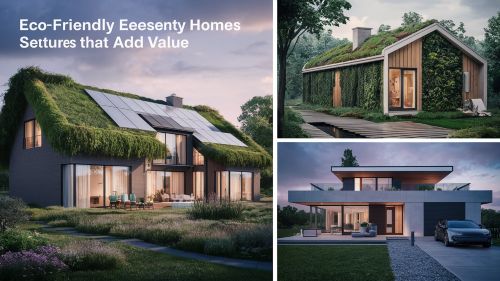
When navigating today’s housing market, buyers are increasingly drawn to properties with smart home features and eco-friendly upgrades. Understanding local market shifts and emerging real estate trends can help both investors and first-time buyers make confident decisions while avoiding costly mistakes.
Step-by-Step Guide to Introduce Sustainable Features
Upgrading an existing home is an option as well. In such cases one can use the following steps.
- Auditing the home. is the first step. Any energy logs alongside water usage logs, insulation, and leaks must be accounted for.
- Assess energy Use Features. From the audit done, the improvements that can be made can be, insulation, solar panels, and windows.
- Evaluate the expenses and savings. One can use calculators as well as consultants. It’s important to see the incentives as well the periods set for being paid back.
- F Choose design and materials. Go for materials that are energy efficient and other systems that are green.
- Obtain permits and certifications. You must be aware of the building codes in the country, and the other things that follow like LEED, Passive House, and such.
- Ensure you have the right contractors. The guarantee of a correct installation is important.
- Evaluate the savings of the water, energy, and the quality of the air inside the building.
- System maintenance is crucial. It’s important the solar panels are cleansed, the HVAC filters are changed, and the shading structures are kept.
Case Study: Solar Powered Houses in California
This is a case study example. In California, homeowners are attaching solar panels alongside battery storage. As stated by the California Energy Commission, homes with solar plus storage experienced a diminution of grid dependence by 40-60%. (source: energy.ca.gov)
One family in Fresno converted to passive solar design. They reoriented the house, added large south facing windows that had overhangs, and installed a 10 kW solar system. They upgraded insulation as well. They now pay almost zero net electricity rates. Their resale appraisal increased by 15%. This shows that services such as energy efficient house design plus solar powered houses can bring substantial value.
Real-Life Example: Green Building Materials and ROI
You use reclaimed wood flooring, beams of recycled steel, and low VOC paint. A Portland, Oregon renovation tracked by Portland State University says these materials increased the total cost by 5-10% over a ten year period, but in total the renovation costs decreased by 25%.
Use case: you switch out oak for bamboo flooring. Bamboo is a rapidly renewable resource. It is extremely strong, moisture resistant, and economical to ship if locally sourced. All these benefits with the added cost of renewable transport.
Pros and Cons Table for Sustainable Features
Here is a table comparing advantages and disadvantages for the sustainable features. Use this to help you decide which option is within your financial means.
| Feature | Pros | Cons |
|---|---|---|
| Solar PV Panels | Lower bills Tax incentives Renewable | High upfront cost; roof orientation; maintenance |
| High Insulation & Windows | Saves energy Comfort Noise reduction | Initial upgrade cost; permits may be needed |
| Green Building Materials | Lower eco impact Healthier air Market appeal | Limited supply; sometimes pricier |
| Smart Home Systems | Automated efficiency Energy monitoring Convenience | Tech cost; obsolescence; learning curve |
| Water Conservation Systems | Lower water bills Sustainability Drought resilience | Installation & maintenance; local rules |
Legal and Government Guidelines for Sustainable Homes
There are laws and guidelines to help construct sustainable homes. There are energy codes for different regions. For example, U.S. Department of Energy has guidelines for “Zero Energy Ready Homes.” (source: energy.gov)
In the EU, almost all new constructions are required to achieve nearly zero energy building (NZEB) status. You might have to incorporate solar readiness and efficient facades. In India, the National Building Code promotes solar passive design and rainwater harvesting. You must check the local jurisdiction laws. You seek green building certifications like LEED, BREEAM, or local ones. These enhance trust and value.
Financial Incentives, Payback Periods & ROI
You may obtain grants, tax rebates, and feed-in tariffs. For example, U.S. federal solar investment tax credit pays up to 26% of the cost. Local governments often supplement this. These help lower payback period.
You would like to know ROI. Spending US$10,000 on insulation and efficient HVAC, you could save US$1,200 every year. You would regain cost in 8-10 years. Solar panels: maybe 5-7 years, depending on sun hours. Green building materials might cost 5-15% more up front, but you regain those costs in 10-20 years worth of maintenance and energy savings.
How Sustainable Architecture Impacts Property Value
Resale value increases. More and more people are looking for environmentally friendly housing. The National Association of Home Builders says that 63% of prospective home owners are ready to spend more on houses with energy efficient designs.
You can also sell passive domes, green materials, passive solar, and solar powered houses and buildings. You cater for climate conscious, eco friendly, and people who embrace technology. You are also able to self these items for your premium.
Tips You Can Use Right Now
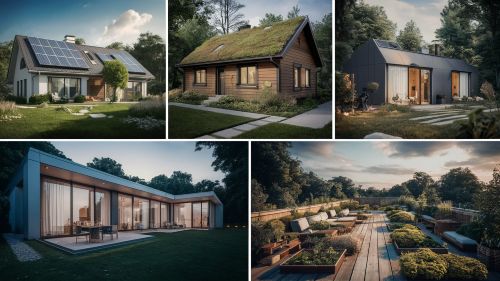
You don’t want to wait for the whole structure to be rebuilt to start seeing improvements. You can start small:
- Replace incandescent bulbs with LED.
- Close off windows and doors to reduce drafts.
- Use smart or programmable thermostats.
- Paint roof with light or reflective materials.
- Plant trees that will provide the windows with shade.
- Install low flow shower heads.
- Thermostats and light switch detach systems and Pauze systems.
You can see the improvements like the reduction of the utility bills or better home comfort.
Challenges and How You Overcome Them
You will face challenges. You need to plan and adjust accordingly.
| Challenge | Solution |
|---|
| High upfront cost | Seek rebates, phased upgrades, financing, loans |
| Local climate not ideal | Choose features adapted to climate: cooling vs heating |
| Regulatory hurdles | Consult codes early; hire experts familiar with sustainable architecture |
| Material sourcing issues | Use local suppliers, reclaimed options, or green certification |
| Maintenance gaps | Educate yourself; schedule maintenance; choose durable materia |
Emerging Trends in Eco Friendly Homes
Keeping in the loop on the latest developments gives you an advantage.
- Net-zero energy homes: for which the amount of energy produced equals the amount of energy used.
- Popularity of the Passive House (Passivhaus) standard.
- Biophilic design: incorporating nature into homes.
- Prefab sustainable homes: modular construction to reduce waste.
- The green roofs and walls: for insulation and enhanced biodiversity.
You learn about them and analyze case studies in order to combine applicable practices for the region.
Case Study: Sustainable Architecture in Scandinavian Countries
You turn to the Scandinavian countries. They are the foremost experts in energy efficient house design. For instance in Sweden, many homes utilize triple glazing accompanied with thick insulation, heat-recovery ventilation, and often generate solar power despite the limited solar exposure hours. They used green building materials such as wood and stone, and their homes had prolonged lifespan with higher resale values, which were expected to be purchased with sustainable features. Their innovations can be applied in your region and focus on insulation with high efficient systems, as exemplified in their design.
How You Can Plan an Eco Friendly Home Project
For new construction or renovation, here are some steps to consider.
- Define objectives. Saving energy? Reducing carbon? Improving health? Increasing resale value?
- Set a budget. Speaker portions to high-impact features.
- Choose a site carefully. Orientation, shading, soil, landscape.
- Work with a sustainable design expert. Architect who has experience sustainable architecture.
- Choose green building materials. Locally available materials.
- Add renewable energy sources. Like solar panels.
- Discuss with authorities. Apply for permits & permits accompany.
- Build & monitor. Quality control, post-occupancy adjustment.
Internal Resource for You
You can compare property values in eco friendly markets. For tips and database about sustainable property pricing and real estate value, check HotProp. It can help you develop a feel for region trends, pricing, appreciation.
FAQ Section: Sustainable Architecture & Eco Friendly Homes
1. What cost savings do eco friendly homes offer?
2. Are green building materials worth their extra cost?
3. How does solar power integrate in eco friendly homes?
4. What certifications matter for sustainable architecture?
5. What incentives issued by local authorities might be available?
6. Is it true that sustainable homes are more expensive to construct?
Summary of the Benefits & Drawbacks
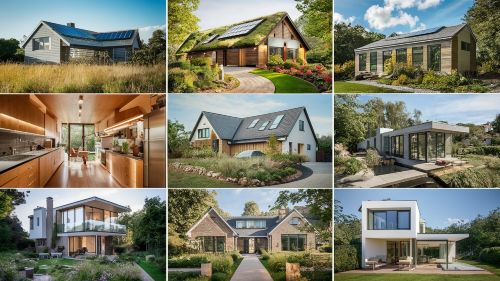
You can see the net outcome clearly.
Pros:
- Lower utility bills
- Higher resale value
- Better comfort and health
- Reduced carbon footprint
- Incentives and rebates
Cons:
- Upfront cost can feel steep
- Some materials harder to source
- Design and permits more complex
- Technology may require updates
Real Life ROI: Numbers & Stats
You deserve credible data. The U.S. Green Building Council’s research indicates that LEED certified homes sell 5-10% more than comparable homes that are not certified.
In Australia, homes that have five-star energy ratings sell at a premium of 10-15% on average. In the United Kingdom, homes that are sustainable and have solar panels as well as green certifications sell & resell faster. These statistics demonstrate the profitability that comes from sustainable architecture and Eco-friendly homes.
Last Thoughts Before You Start
You must adapt features to climatic region – what works in cold region differs from hot zones. You must balance cost, aesthetics, and functionality. You may start small with water conservation or insulation. Then scale up to solar and green materials. You must check policies and local experts. You must stay realistic and dedicated. You must maintain features once you install them. Track performance.
Conclusion
You now know what adds value to homes listed as eco friendly – the design and architecture, the materials used, and passive. solar systems integrated working in harmony with the house. You know aspects, policies, trends, and cost benefits; you understand some case studies. You are aware challenges and solutions.
If you wish to learn more, look for green certification and solar incentives in your region, or look to guides for local sources of materials. You may also wish to read more about sustainable architecture or construction.
You may now wish to look for materials on our site. These may include net zero energy homes, passive solar renovations, or green building materials cost comparisons. You may also browse the HotProp listings and resources to establish what value buyers are paying. You may utilize this information to create plans for your ideal eco friendly home.