Introduction
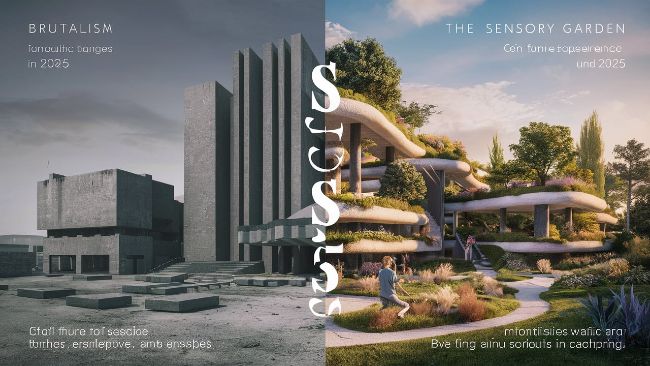
XML for external list. Now presented choice Brutalism vs Sensory Gardens. Both the designs are standing upon their feet in 2025. One offers bold strength. A soul calming wellness. The other includes is calm them. You want clarity of which design aligns best with your life. This tutorial guide will give you some answers.
Here, you will see effective comparisons. You will be study past, features and design roles. You will find expert opinions and real examples. You will suppress where trends change by culture. By the end you will have a feel of which path suits you.
For sellers and investors, it’s important to master the basics of property flipping and strategies for maximizing rental ROI. Knowing how sustainable real estate gains value, planning for closing costs, and even learning how to sell a home by owner can make all the difference in achieving long-term success.
Understanding Brutalism in 2025
Brutalism experienced its first rise after the Second World War. Architects were for honest design. They left materials exposed. They made use of concrete, steel and glass. The style looked raw. Some loved it. Others hated it. This was brazen in the face of the traditional beauty of architecture.
Now in 2025, Brutalism returns with a bugle. Designers soften the mood. They bring together vicious edges and warmth. They use smart lighting. They add textures. The results look lived-in, yet strong. The revival has appeal to urban communities and youth professionals the world over.
Modern Brutalism’s Defining Characteristics
- Exposed concrete surfaces are brutal.
- Bold geometric layouts are dominant layouts.
- Glass makes interiors open to light.
- The industrial vibes are emphasized with steel frames.
- What shadows do is provide a way to provide dramatic depth indoors.
There are no varying features in these uniform. Yet moving in 2025, interpretable Brutalism forms a better fit. Designers add wood and art. They are a combination of crudeness and comfort. They bring the warmth of the human to frigid geometry. This is the balance that makes modern Brutalism.
Brutalism’s Visual Impact
Walk into a Brutalist home, you are heavy. Surfaces look bold. Lines cut sharp across space. Textures are played with shadows. Everything is deliberate, or so it seems. That intensity has appeal to powerful craving for identity. They want design that speaks loud.
Brutalism and Modern Culture
Brutalism is also a mirror of the society. Cities searching for durable infrastructures. Communities want gutsy housing. Developers want longevity. Governments are sponsors behind sustainable materials. Concrete and steel make them all three. This makes Brutalism a practical, rather than aesthetic, form. The key to future survival of this living resource will be the cultural fit for it to play its role in 2025.
Understanding Sensory Gardens
A sensory garden is another beast. For this reason, it is directly connected to the senses of human beings. It stimulates the touch, smell, sight and hearing. There are even designs with food plants. These gardens transform the daily lives. They bring mindfulness. They restore calmness. They heal.
You can walk through slowly. You touch textured leaves. You smell herbs. You hear fountains. You taste mint or berries. Each element creates awareness. It’s this type of experience that makes sensory gardens timeless. They serve for both private home users and for communities created by the public administration.
Characteristic Elements from Sensory Gardens
- Plants exhale with their fragrance for the fragrance of you.
- Flowers color the scenery with intense color vision.
- Textured surfaces are very inviting for touch.
- Running water soothes the ears.
- Edible herbs stimulate taste buds.
Each detail matters. Each sense gets attention. Together they create a holistic space. Designers in 2025 embrace this wellness focus. Sensory gardens can be found today-in schools, displaying in hospitals, and in urban parks. They become a healing tool.
Wellness Role Of Sensory Gardens
Modern life moves fast. Stress builds. Anxiety grows. Sensory gardens reduce both. Studies show nature therapy shows a weakening of cortisol. You relax in greenery. You feel restored. Such spaces are now designed intentionally by communities. They know the advantages of children, adults, and elders.
sensory-gardens and urban-living
Even the cities adopt sensory designs. Rooftop gardens create tranquility on top of noise. Small balconies carry herbs and flowers. There are water features in the courtyards of apartments. Even limited spaces adapt the model. Because of this flexibility, sensory gardens are valuable in all types of settings.
When navigating today’s housing market, buyers are increasingly drawn to properties with smart home features and eco-friendly upgrades. Understanding local market shifts and emerging real estate trends can help both investors and first-time buyers make confident decisions while avoiding costly mistakes.
Brutalism vs Sensory Gardens: The Gain & The Loser
| Aspect | Brutalism | Sensory Garden |
|---|---|---|
| Materials | Concrete, steel, stone | Plants, soil, wood |
| Mood | Bold and dramatic | Calm and soothing |
| Focus | Structural honesty | Human senses |
| Trend Role | Architectural revival | Wellness culture |
Why People Choose Brutalism
Brutalism appeals due to the issue of identity. You see strength. You feel permanence. The rawness speaks honesty. People desire that honesty won’t today. They don’t want fake design. They want real surfaces, visible materials, direct bawdiness.
Brutalism is also sustainable. Concrete lasts decades. Steel stays strong. Minimal amount of decor helps reduce waste. Large windows reduce energy bill. Together these factors make Brutalism practical. That stillness to practicalessure of place in the future of building plans.
Pros of Brutalism
- Materials remain durable over the decade.
- Identity feels courageous and genuine.
- Spaces are accepting large installations of art.
- Works great with moody colors home design.
- Suitable for high density urban projects.
Cons of Brutalism
- Cold, without soft additions to it.
- Limited cosiness in the smaller homes.
- Demands designer to humanize.
- Finishing can add to project cost.
Why Some People Opt to Setup Sensory Gardens
Sensory gardens talk to feelings. You crave calm. You want balance. Nature provides it. These gardens remind you slow living. They take you away from stress. It is because of that emotional connection that they are highly valued.
Wellness culture in 2025 reinforces this trend. Even, governments invest in green therapy zones. Sensorial outdoor spaces are created by hospitals. Schools use gardens for special needs children. Communities embrace them for their common well-being. The design is beneficial to everyone.
Pros of Sensory Gardens
- Increase health and mindfulness.
- Support therapy for elderly people and children.
- Encourage sustainable planting practices.
- Adapt in large or small spaces.
Cons of Sensory Gardens
- Need steady maintenance.
- Climate, thus, limits a certain placements of plants.
- The changing of seasons influences design.
- The density of an urban area limits space.
Real-World Examples
Brutalism in 2025
Brutalist apartments soar in Berlin. London is abstract and loves concrete towers with murals. Tokyo tries to mix concrete and glass. Add light and murals according to the designers. Boldness with warmth is a favorite of residents. The revival becomes artistic as well as practical.
Sensory Gardens in 2025
US Schools include gardens in therapy. UK care home put calming courtyards in place. Asian urban areas have rooftop sensory parks. Families are planting herbs on balconies. Everywhere, these gardens exhibit flexibility. Their benefits for healing are consistent across culture.
Blending the Two Styles
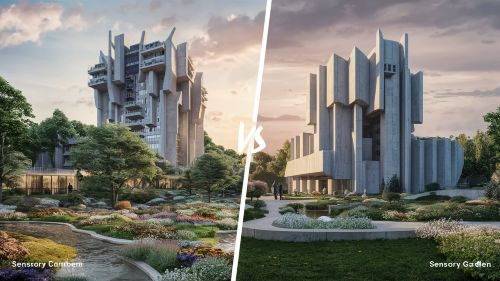
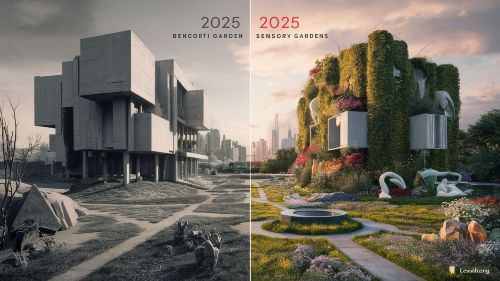
Do you need to choose one? Not really. You can blend both styles. You can add vines to concrete. You can keep fountains in close proximity to stone courtyards. You can build rooftop gardens above industrial towers. That blend looks modern.
Tips for Blending
- Use of home mural trend with floral pattern.
- Add planters to along concrete walls.
- Place fountains near patios.
- Herb grow in Brutalist courtyards.
- Raw with greening-and balance.
Connection With Home Decor Trends In 2025
You’ll need to make the connection between designs and trends. Home Decor Trends for 2025 Favor wellness and boldness. Brutalism defends boldness. Sensory gardens are good for you. Together, they are a reflection of design culture in its entirety. That makes the two of them powerful, not separate, though.
Trends also embrace moody colors home design. Dark tones welcome in Brutalist walls. Gardens welcome a contrast with bright flowers. Another is the home murals trends. Murals humanise Brutalist walls. They bring color balance. Together, these reflect cultural needs.
Expert Insights
Experts explain balance simply. Architects mourn the power of Brutalism. Therapists love the peacefulness of gardens. Both see value. “Dr. Future design is form combined with healing,” says Anna Clarke. Brutalism gives strength. Gardens provide therapy. Together they reflect 2025 living goals.
Practical Design Tips
- For strong identity try Brutalism.
- Choose gardens for wellness support.
- Mix both for balance.
- Start small with murals or herbs.
- Look for, and expand gradually to the state of harmony.
For more reading, check out Proper Guide.
FAQ Section
Why is Brutalism trending again?
Are sensory gardens costly?
Can Brutalism feel warm?
Do sensory gardens work in small spaces?
Which design wins in 2025?
Conclusion
Deeply you know both styles, now. Strength and honesty comes out of Brutalism. Sensory gardens are soothing and therapy. Both reflect human needs. One speaks identity. The other speaks healing. Together they shape a design culture 2025.
Lifestyle Your choice based on lifestyle. If you want bold go for Brutalism. If you opt for wellness both for gardens. If you want both, blend them. That balance is the source of the future of design. Build spaces that offer equal strength and as much peace as possible.