Introduction
Buying your first home is exciting and stressful. Emotions are running high and decisions are rushed. One mistake and thousands may go down with it. That’s why it’s very important for you to Avoid These Common Home Buying Mistakes from the get-go. This detailed guide educates smarter, safer buying strategies.
When navigating today’s housing market, buyers are increasingly drawn to properties with smart home features and eco-friendly upgrades. Understanding local market shifts and emerging real estate trends can help both investors and first-time buyers make confident decisions while avoiding costly mistakes.
Why Proper Planning Matters
Buying without preparing makes you increase your risks so dramatically. The costs increase, the stress increases and the regret ensues. Smart planning is the solution to avoid such painful outcomes. Planning helps you to set clear budgets, to identify reliable professionals, and to avoid emotional traps. Buyers who prepare well always enjoy easier transactions and more confidence.
Understanding How Consumer Buys
How Decisions Are Controlled by Emotions
Your heart tends to speak louder than reason. A shiny kitchen or bright paint blinds judgment. You might cover up foundation cracks or poor wiring. Sellers know this, and they stage homes accordingly. By identifying emotions, you preserve your finances. Logical choices always ensure long term security.
Why Pressure Creates Panic
Agents or sellers may add to the pressure tactics. They speak other buyers waiting. You start to feel trapped and to fear missing out. This leaves rushed decisions and regrets down the road. The truth is, that there is always good home. Patience makes you safe and financially comfortable.
Common Mistakes to Avoid With Beginners
First Time Home Buyers Mistakes
Many new buyers omit vital steps. First time home buyers errors often involve rushing without pre-approval banking, ignoring repair budgets, or trusting feelings far too much! They overlook taxes, utilities or even insurance, too. Avoiding these early traps can give financial stability as well as peace of mind.
Falling for Appearance Only
Cosmetic upgrades are often misleading to buyers. Fresh paint hides wall leaks. New tiles cover cracks in the structure. You’re impressed and don’t see any serious issues. Always deeper into inspecting with checks. Appearance never shows the real condition. Smart buyers never rely on looks alone, while buying.
Home Buying financial traps
Underestimating Hidden Expenses
The sticker price is just the start. You must pay for closing fees, tax, insurance, and inspections. Repairs tend to follow fairly quickly thereafter. Dismantling from these extras ruins budgets. Always have a minimum of 10% extra funds on hand. This safety net helps you from unexpected outbursts.
Overlooking the Long-Term Affordability
You can afford the mortgage today. But what about loss of employment or family expansion? Many buyers stretch too far. Increasing rates result in heavy payments. Smart buyers think ahead 10 years, not one day. Stability comes from thought ahead and planning responsibility.
Credit and Debt Mis Management
Lenders look at your credit very closely. High debt costs you chances of approval. Buyers tend to forget this step. Clearing off old debts first works in favor of better options. Good credit also serves to lower interest rates. Good Credit Management Saves Money. Rushing without preparation is more costly in the long run.
How to Buy a House Mistakes
Skipping Pre-Approval
Many don’t undergo pre-approval thinking it’s not necessary. This becomes one of the common how to buy a house mistakes. Without it, you can be chasing homes out of reach. Pre-approval gives you clarity of your limits, builds seller trust and are smoother during negotiations. Wise buyers never overlook this early step.
Ignoring Location Research
A beautiful home degrades in the poor areas. Buyers regret from not looking at schools, jobs, transport. Neighborhood crime rates are also important. Government census and police sites provide reliable information. The choice of location is intelligent to ensure future growth. Ignoring it is another big how to buy a house mistakes trap.
Forgotten Maintenance Costs
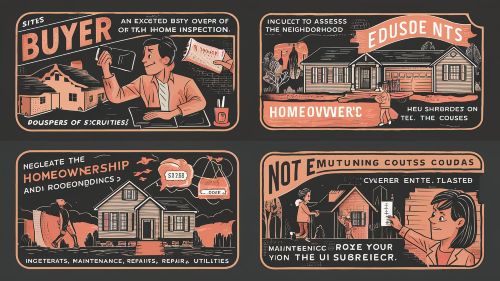
Monsoon – Roof fix, plumbing failure, or heater issues, they don’t wait long. Only purchase on a budget is something buyers consider. Regular maintenance costs thousands a year. Experts recommend saving the cost of 1% of home value each year. Forgetting maintenance devours stability. This mistake is costly to many unprepared families.
For sellers and investors, it’s important to master the basics of property flipping and strategies for maximizing rental ROI. Knowing how sustainable real estate gains value, planning for closing costs, and even learning how to sell a home by owner can make all the difference in achieving long-term success.
The Dangers of Foreclosures
What Is the Risk of Buying a Foreclosed Property
Foreclosures are an attraction to buyers with low prices. But you need to ask; what is the risk worth risking to purchase a foreclosed property? Problems include unpaid liens, damaged interiors and delayed paperwork. Many buyers say that they spend more on repairs than they save. Careful research is the only protection.
Structural Damage Hidden By Banks
Banks do not usually repair foreclosed properties. Interiors can be damaged by water or be vandalized. Electrical systems may fail. These are expensive repairs buyer inherits. During inspections, major flaws are often discovered. Many wish they had checked foreclosures thoroughly. Lower upfront price conceals massive long-term expenses within.
Foreclosure Legal Complications
There are sometimes disputes on the transfer of ownership. Bank challenge from past owners may. Properties will often have some hidden liens. Buyers desire find themselves in legal battles. Lawyers play an important role in such dealings. Never ever try to purchase foreclosures alone. Opportunity versus disaster: legal safety makes it all.
Steps to Buying a Home Safely
Step 1: Take a look at finances honestly
Start with a financial health check. Review savings, debts and income stability. Set a realistic goal for the payment each month. Do not depend solely on lender limits. Your budget has to comfortably fit life. This is the foundation step in steps to buy a home.
Step 2: Research Loan Options
Loan types vary widely. Fixed rate, adjustable, fha, va they all are different. Interest rates and fees alter all that. Compare offers from a variety of lenders. Read fine print carefully. Pick a plan that fits your goals. Smart financing determines your long-term solidity.
Step 3: Employ Trusted Professionals
Feeding solo is dramatically more risk. Agents pilot you down markets. Inspectors bring hidden problems to light. Lawyers safely make legal contracts. Skipping experts makes for expensive errors. Professionals make complicated processes easy travel. Hiring them, vital within steps of buying your own planning of a home.
Step 4: Inspect Every Detail
Inspections save you in the thousands in later repairs. Always look into plumbing, roofing, structure and electrical. Personal participation in inspections to ask questions. Never trust only the seller. Many buyers regret that they skipped this step. Professional inspections to provide unmatched peace and security during buying.
Step 5: Don’t Underestimate How You Can Negotiate
Offers require balance. Overpaying wastes savings. Low offers insult sellers. Do research on market prices before bidding. Agents help in respect of the fair valuations. Negotiations need to be fact driven and not emotional. Confidence with data behind it makes your offer stronger. You make deals close without the stress by smart negotiating.
Expanding Buyer Awareness
Planning for Future Growth
Think about where you’ll be in 5 years. Family size may grow. Career changes can change the location requirements. Homes that only are chosen today bring regrets. Future-proofing your choice takes the stress away. Smart buyers always keep tomorrow in mind when they are buying.
Emotional Overcommitment – Avoiding emotional overcommitment
Love at first sight has a powerful feeling. But emotional buying blinds rational thought. Many buyers don’t take budget or location into consideration. Later, regrets follow. Using a checklist helps. If a house fails checks, walk away from the house, not in a bad way, but in a normal and positive manner. Logic must be used to make decisions rather than love or pressure.
Case Studies and Real Examples
Case Study 1: Not Practicing Pre-Approval
Michael fell in love with a house. But in the absence of prepayment, his offer fell through. The other buyer picked another buyer. Michael spent months looking for another one. His story illustrates how pre-approval is important. This mistake is still one of the most common buyer regrets.
Case Study 2: Not doing the Inspection
Lena hurried to buy a cheap house. She had omitted inspection under the idea that she could safely: After moving, plumbing collapsed. Repairs cost over \$15,000. Her saving short-cut backfired. Today she advises friends: inspections insure you against disaster. It is not worth dropping them for the sake of temporary saving.
Case Study 3: Foreclosure Struggles
David purchased a foreclosure at 50% the value. And, he felt lucky up until problems began. Water damage; unpaid taxes and disputes in court followed. His repair bills trebled costs. What appeared to be a bargain was a nightmare. Foreclosures are likely to hide a greater surprise than buyers are prepared for.
Expert Insights
Realtor Perspective
Realtors say many first time buyers ignore location. They prefer style to substance. Realtors emphasize school ratings and access to jobs. These factors provide the basis for future values. Agents shepherd buyers through such traps. Their advice is for long-term happiness.
Financial Planner’s View
Planners suggest emergency money to fix things. They emphasize not overreaching budgets. Those who extend their time to make payments, often suffer. Strong financial planning helps to secure stability. Advisors recommend that plans be made in backup. Their role is keeping families safe.
Pros and Cons of Home Options
| Home Type | Pros | Cons |
|---|---|---|
| New Build | Modern designs, efficient systems, fewer repairs | Higher costs, less community character |
| Older Home | Charming designs, lower price, mature areas | More repairs, higher utility costs |
| Foreclosure | Lower prices, investment potential | Hidden damage, legal complications |
Practical Tips to Remember
- Go into homes at different times of the day.
- Communicate with neighbors about concerns in the area.
- Do your research on local city plans or zoning changes.
- Save at least 10% above budget.
- Avoid a deal if it seems wrong.
Frequently Asked Questions
Q1. What are the top first time buyer mistakes?
Q2. How do I not pay for regrets after buyance?
Q3. Are foreclosures really safe to purchase?
Q4. What are safe steps to buy?
Q5. Should Emotions Guide the Decision to Buy?
Q6. Can location affect resale value in the future?
Q7. Do I always have to get professional help?

Conclusion
Home buying should not make you stressed out. Careful Preparation Guard You Against Regret. By learning from real stories, expert tips and structured steps you’re avoiding costly mistakes.
If you’re looking for more housing guides, check out ProperGuide. So be patient, take smart plans and believe in logic. That ensures your dream home is a true blessing.