Introduction
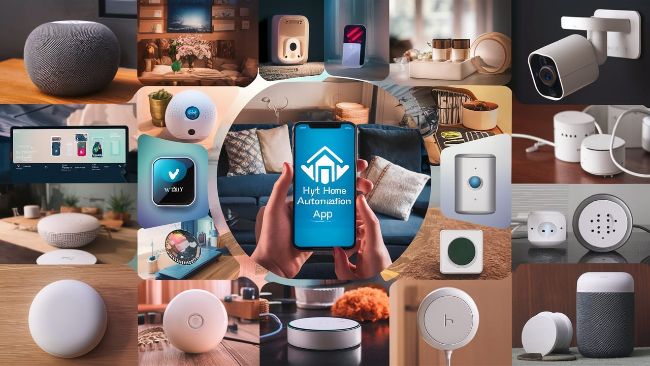
Dreaming of Creating a Smart Home Within Reach? You might think it requires oodles, but it actually doesn’t. Smart planning is key. You can do it incrementally. You will learn to choose the right devices, correctly configure them, and still save money.
For sellers and investors, it’s important to master the basics of property flipping and strategies for maximizing rental ROI. Knowing how sustainable real estate gains value, planning for closing costs, and even learning how to sell a home by owner can make all the difference in achieving long-term success.
Why a Connected Home Is Worth It
You wish for convenience, cost savings, and security. Smart devices give you all of those and more. They allow you to manage your lights, heat, and doors. They reduce energy wastage, and best of all, they add value for resale or rental takes.
According to Statista, the smart home market will grow to $231 billion by 2028. Even small setups can be profitable for owners and renters, and you still get the added convenience and future-proofing.
Understanding Affordable Smart Homes
If you are on a tight budget, you do not need to compromise the quality of your smart home devices. They are low cost. They still provide all the primary benefits to smart home devices. Buy the devices you need first, and more can be acquired later. This approach saves you money and delivers solid value.
You can mix different brands. You can use different apps. You can control them all from your mobile device. That means comfort and security without the added worry.
Planning Your DIY Smart Home Setup
The difference between planning and not planning is money. What do you want to achieve? Is your primary goal to increase security, reduce spending, or increase ease of use? Rank your goals. It helps in spending.
There is a primary home automation platform. It can be Alexa, Google home or Apple Home. It helps avoid the confusion of accessing multiple apps. Ease of setup is ensured. It helps in addition to the scales.
The starting point can be a DIY smart home setup guide. You look at various reviews, and you compare the various offerings. Buying is done after planning.
Choosing Budget Smart Devices
You will not do everything at once. Start with the premises first. It can be added later. Set the priorities.
Here are some of the smart gadgets:
- Appliances which are plugged into the smart plugs.
- Lighting controlled by smart bulbs.
- Power controlled through smart speakers.
- Smart thermostats controlled for reduced heating or cooling charges.
With a lot of selection, the gadgets can be chosen and clubbed.
Budget Smart Devices Table (Safe HTML for WordPress)
| Device | Average Price | Main Benefit |
|---|---|---|
| Smart Plugs | $15–$25 | Control appliances remotely |
| Smart Bulbs | $10–$20 | Save energy with schedules |
| Smart Speakers | $40–$60 | Voice control + hub |
| Smart Thermostat | $80–$120 | Lower energy costs |
Installing Devices Yourself
Most devices can be mounted on your own. You retain the fee. You acquire a new skill. You become empowered.
Tips:
- Point of purchase provides its own methods.
- Read instruction drafts of technology.
- Observe the prescribed video manuals of the product.
- Identify and attach labels on the devices to make mapping easier.
- Post configuration, conduct a functional verification test.
These processes ensure you become self sufficient. You save money and the outcomes are even better.
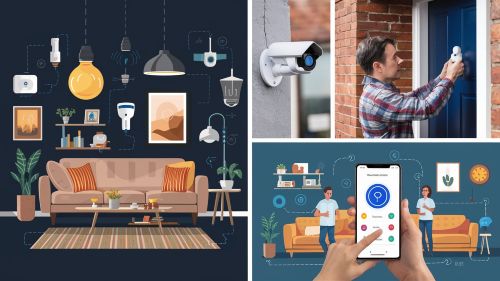
When navigating today’s housing market, buyers are increasingly drawn to properties with smart home features and eco-friendly upgrades. Understanding local market shifts and emerging real estate trends can help both investors and first-time buyers make confident decisions while avoiding costly mistakes.
Using a Starter Smart Home Kit
You purchase the starter smart home kit which includes a hub, bulbs and plugs which is cheaper than buying the items separately and affirms all devices will work together.
You start from adding additional devices like thermostats, sensors, and cameras and gradually improve the system as the approach is meant for people new to smart home devices.
Automating Old Appliances
There is no need to replace all your gadgets. Smart plugs and retrofit sensors can integrate your older coffee maker or a fan.
Example: your kettle is plugged into a smart device which can be scheduled, you wake up to hot water and saves money and time.
Adding Security on a Budget
Home safety is important, and home security can be done very cheaply, using door sensors, window alarms, and Wi-Fi cameras.
You will receive alerts on your phone, be able to see visitors in real time, and even lock your doors from a distance. Provide peace of mind when the set up is done for under $200.
Cheap Home Automation for Energy Saving
In today’s world, it is hard to deny that the cost of energy has significantly increased. Smart home devices can be used to help reduce these costs.
- Set the timer on your smart plugs to switch on/off automatically.
- Set smart plugs on motion sensors.
- Set the devices to lower temperature when devices like the smart plugs are used.
“According to the U.S. Department of energy programmable thermostats can save around 10% of your hard earned money every year on heating & cooling expenditure. Money saved is money earned”.
Managing Devices With One Dashboard
Having an overload of apps can be a headache. Try using just 1. Like the rest of the world, you can start with Google Home, Alexa, or Apple Home.
Set a group of devices to a single command. For example, create a “sleep” routine. With a single command, the lights will turn off, the doors will lock, and the temperature will lower. Simple.
Expanding Slowly
There is no need to rush. Start with one room. You can add more features to it later on. This keeps your spending low and learning curve remains high.
As a result your money is safely kept and can be used for more important things.
Case Study: Small Apartment Setup
Consider yourself living in a one room flat with some smart devices installed. With some smart plugs and an echo dot, you can keep your entire energy expenditure below $150 during the summer.
In return, you save 12% on your electricity bill over 3 months. All the devices can be controlled through one device. Not to mention the added easy of mind and security they provide.
Case Study: Family Home Upgrade
The comfort for a family of four is a desire for an ultimate. They started with a kit. They added Extra Features. They now have full voice command. The family saves 18 % of their total energy expenditures.
You can use this model. Start out small. Grow on a steady basis. Personal savings combined with improved family safety.
More Everyday Uses for Budget Smart Devices
You can discover a myriad of uses. Program a fan to go on at 12. Set blinds to automatically close at sunset. Set a song to play at wake up time.
These small automation make life easier. They also save time.
Integrating Voice Commands in Routines
Routines become easier with voice. For example, you can say “Movie night” to set a predefined sequence of events where the lights dim, the curtains close, and the TV turns on. Or you can say “Leave home” to a sequence of events where the doors automatically lock and plugs are turned off.
The rest of your family can easily learn and use custom commands. They also have the ability to create their own personalized sentences.
Top Mistakes to Avoid
- Buying more brands than are necessary.
- Neglecting Wi-Fi protection.
- Lack of unity through incorporation of a schedule.
- Bypassing software patches.
This denial in turn results in still more flowing system. Knowst Thou the rewards of convenience and ease.
Best Practices for Setup
They must be clearly labeled. Apps must be updated. The settings must be saved.
These measures minimise the possibility of a headache. Information confidentiality and security is ensured. The system is kept stable.
Pros and Cons of a Budget Smart Home
Smart Home — Quick Comparison
Small, clear pros and cons
| Pros | Cons |
|---|---|
| Lower upfront costs | Fewer advanced features |
| DIY installation saves money | More time to set up |
| Flexible expansion | May need multiple apps |
| Improves property value | Compatibility issues sometimes |
Linking Smart Homes With Property Value
The property value is increased. The feature of a connected home is a positive indication to the buyers. Renters are attracted by even a simple setup.
Hotprop has more trends and tips to see. You are going to know about the role of technology in real estate choices.
Tips for Securing Your Smart Home
This incorporates the network perimeter. Use a robust password. Firmware must be updated. Enable 2-step verification.
Your information will be confidential. Moreover, gadgets are not vulnerable to hacking.
DIY Smart Home Setup Checklist
- Choose an appropriate platform.
- Determine your goals.
- Start with the most basic of them.
- Obtain the needed compatible equipment.
- Label upon installation.
- Establish routines.
- Gradually build.
This is meant to make you stay on track.
Where to Place Devices
This should be put into consideration. Place the sensors of doors. The cameras are mounted high. The smart speakers are to be positioned centrally.
Distribution is an effective way of enriching a company. It is also enhancing penetration into markets. Bonus is increased turnaround time to customers.
Using Voice Commands Effectively
Voice is a time-saver. Assign specific commands such as; movie time, where all the lights fade, the television is turned on, and the window curtains are pulled down.
You make a dull thing interesting. The higher standard of living becomes easier. You like the amenities of automation.
Energy-Saving Habits
It is not enough to have the devices. Turn off unutilized lights. Have a weekly check on your dashboard. Review the power bills.
You save the most money. You make your devices last longer. You cut down on your spending.
Integrating Smart Tech in Daily Life
Your system will be changing in the near future. There is an increased stream of activities in the morning. Sentry automation functions are increased. Energy consumed is lower.
You have a feeling of more control. You have reduced anxiety. You spend most of your time with family members.
Future Trends in Affordable Smart Homes
Costs continue to decline. Features are increasing in number. More AI will be present. Energy management will be improved.
You can wait till you have promotional offers. The future upgrades can be made. You can choose not to maintain your system out of date.
Extra Tips for Smooth Smart Home Growth
- Allot money to capitalize on seasonal prices.
- However, consider the replacement of a device before throwing it away.
- Family accounts can easily control shared control.
- Open source systems can be used to bring about advanced modifications.
You are given more money worth. Adaptability is more greatly acquired also.
FAQs
Q1: Can benefits be seen if I still start small?
Q2: How do I best select ‘budget’ smart devices?
Q3: Do smart plugs work with white appliances?
Q4: Does starter smart home kit have expansion capabilities?
Q5: Is cheap home automation complicated?
Q6: If the devices do not work, do I need Wi-Fi devices?
Q7: How do I maintain the system?
Q8: Which is the simplest to start with?
Q9: Do the devices work with renters?
Q10: Do cheap smart devices allow automation of devices?
Conclusion
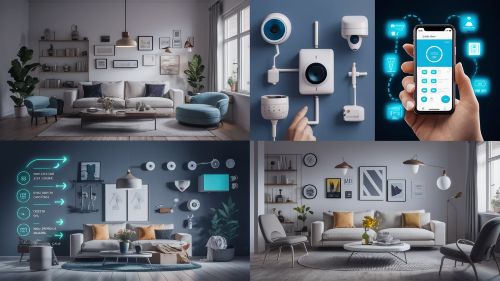
It is possible to create a smart home without break the bank. You schedule the work first. You buy at a careful pace. You make a smart choice of devices. You employ kits, apps, and other forms of do-it-yourself. You achieve convenience, protection, and economize.
Would you like additional property and technology advice? Go to HotProp to read about new concepts and strategies.