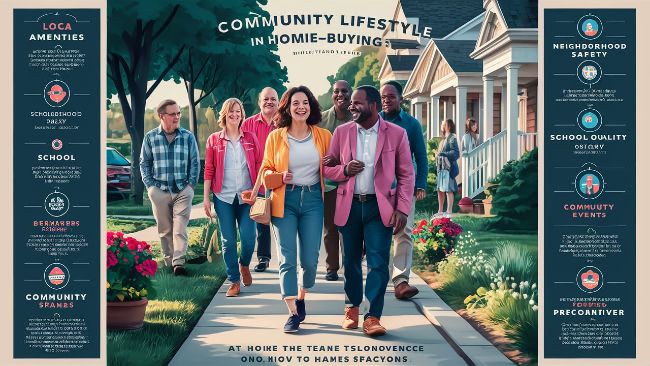
Acquiring real estate comes with a choice that impacts people for years. Of course, a buyer will fixate on the bedrooms, amenities in the kitchen, and garages. However, the reality is that the house itself is but a part. The rest is the surrounding community and the lifestyle it offers.
Going in, one does not simply buy four walls and a roof. There is a neighborhood that comes with it. There is a cadence that comes to one’s day. There is people, governance, education, and the very ambiance of the roads. This is the reason some homes get sold in a heartbeat, while for others, it takes months. The reason for that is the lifestyle and amenities the community provides.
Let’s go deeper on that. Why does it matter, and what can one choose to decide differently in order to think more than what the front door offers?
When navigating today’s housing market, buyers are increasingly drawn to properties with smart home features and eco-friendly upgrades. Understanding local market shifts and emerging real estate trends can help both investors and first-time buyers make confident decisions while avoiding costly mistakes.
Why Lifestyle Matters More Than You Think
Imagine yourself in a situation where you have two houses. Houses that are similar in terms of features. Both Houses are the same size. Both Houses are the same price. Both Houses are in good condition. But one is not more than a mile from a walkable community with a weekly farmer’s market, a few coffee shops, and a park. The other is sidelined in a far out suburb with no sidewalks and is a 25 minute drive from the closest grocery store.
Which one is most preferable for you?
From a distance, most people would say the first. This is also confirmed from a 2024 NAR survey stating that 59% of buyers said the most important thing in their decision is the quality of the neighborhood. Forget the square footage. Forget the price. What matters is the balance of life.
Now, ask yourself these questions similar to many buyers, maybe including you, ask themselves before signing the papers.
- Can I walk around here at anytime during the night and not feel threatened?
- Will I have access to the things that count the most – shops, schools, gyms, and healthcare?
- Am I in alignment with the culture in the neighborhood? Friendly? Diverse? Too quiet? Too loud?
- If I happen to live here, what will my daily life look like?
You can redesign a bathroom. However, you can’t redesign a community.
The Emotional Side of Buying a Home
Purchasing a house can be a complex process, but it is more than just the calculated figures. The matter goes deeper.
Think back to a time when you walked into a house and felt an instant attraction. Maybe it was not the quartz kitchen countertops, but the fact that on a sunny afternoon, there were children riding bikes outside. Or that your first neighbors greeted you enthusiastically as you drove in. This is not a matter of interior design. This is a matter of way of life.
A particular couple I worked with chose a smaller house that was more affordable than a bigger one. The reasoning? The smaller house was located on a street with block parties. According to the couple, they felt as if they were at “home” without even stepping into the house.
Contrarily, I have witnessed buyers reject deals for beautiful houses. The reason? There was no life in the neighborhood. There were too many empty sidewalks and too many “No Trespassing” signs.
Your heart decides almost as much as your head.
For sellers and investors, it’s important to master the basics of property flipping and strategies for maximizing rental ROI. Knowing how sustainable real estate gains value, planning for closing costs, and even learning how to sell a home by owner can make all the difference in achieving long-term success.
Legal and practical factors you cannot ignore.
Now, I would like to assume the position of a lawyer. The lifestyle can be emotional. However, there are rules, restrictions, and legsl that you have to respond to.
HOA Rules
HOAs can have a big impact on your lifestyle. Some are positive. They keep the streets orderly, take care of the neighborhood pool, and help sustain the values of the homes. Others? Not so much.
- They can specify what colors you are allowed to paint your house.
- They can prohibit short-term rentals such as Airbnb.
- Some even dictate which type of vehicles are allowable in a homeowner’s driveway, and when.
In Georgia of the year 2025, a homeowner received a settlement of 40,000 dollars after suing the HOA on account of improper liens and unfair fines. This shows how intense these conflicts can get.
Zoning Laws
Zoning dictates what gets built around you. Want to avoid the noise? Look carefully to see whether the vacant lot down the street is designated for apartments, bars, or a warehouse
A standard example is the Village of Euclid v Ambler Realty Co (1926). The Supreme Court ruled that there is constitutional zoning, provided there is a reason for doing it. Since 1926, zoning has controlled suburban sprawl and urban density.
And in 2024, the town of New York’s Attorney General pursued a town for allegedly wielding zoning laws to prevent housing developments intended for Hasidic Jewish families. That shows zoning is not only technical.
Sound & Nuisance Control
Nuisance communities in boundaries use varying systems. Some have very strict noise ordinances, while others take no notice of someone’s neighbor who wants to practice in a garage.
What Buyers Actually Look For in Communities
Everyone values different things, but research shows common themes.
According to Surveys (NAR 2024, RCLCO 2024, AARP 2024):
- Safety– Almost 63% say low crime is their number one concern.
- Schools– Regardless of if you have children or not, homes near excellent schools have higher value.
- Walkability– Increased access to parks and cafes improves daily moods.
- Healthcare Access– The pandemic showed a heavy dependence on nearby hospitals and clinics.
- Recreation & Lifestyle Amenities– The presence of gyms and parks increases interest.
- Diversity & Culture– Many buyers desire a community that mirrors their beliefs.
- Aging in Place– AARP says that 73% of older adults wish to remain in their current neighborhoods and buyers seem to desire this more and more.
Pros and Cons of Choosing a Community for Lifestyle
Here’s a stylish breakdown:
| Pros | Cons |
|---|---|
| Higher quality of daily life. | Hot communities = higher home prices. |
| Stronger sense of belonging. | HOA restrictions can feel controlling. |
| Access to shops, schools, and services. | Busy areas may sacrifice privacy. |
| Safer, healthier environment for kids. | Lifestyle trends can shift fast. |
| Better long-term resale value. | Taxes, fees, and HOA dues may be high. |
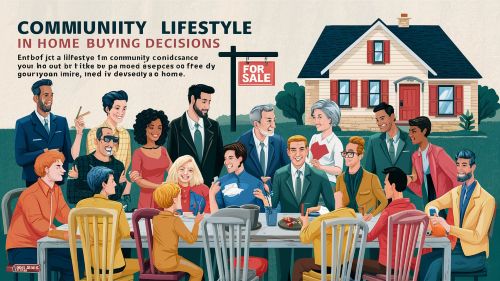
Community Types Compared: Urban vs. Suburban vs. Rural vs. HOA
Not all communities feel the same. Each type offers a lifestyle that comes with trade-offs. Let’s break it down side by side.
| Community Type | Lifestyle Perks | Possible Drawbacks | Best Fit For |
|---|---|---|---|
| Urban (City Living) | Walkability, public transit, cultural diversity, endless restaurants, nightlife, and strong job opportunities. | Higher cost of living, noise, traffic, less privacy, and typically smaller living spaces. | Professionals, young couples, and anyone who values convenience and culture over large space. |
| Suburban (Outside the City) | More space, good schools, safer streets, family-friendly features, yards and parks—balanced quiet with access. | Longer commutes, dependence on cars, and fewer cultural amenities than city centers. | Families with children, commuters who still want city access, those seeking balance. |
| Rural (Countryside / Small Towns) | Peace, privacy, wide-open spaces, nature, lower housing costs, and a slower pace of life. | Limited amenities, longer drives to services, fewer schools/hospitals, and fewer local job opportunities. | Retirees, remote workers, nature lovers, or people seeking self-sufficiency. |
| Planned HOA (Lifestyle Communities) | Shared amenities (pools, gyms, golf), consistent upkeep, property value protection, and an orderly environment. | HOA fees, rules that limit choices (paint, landscaping, rentals), and occasional HOA disputes. | Buyers who value structure, community amenities, and resale stability over total independence. |
Case Study: Two Families, Two Choices
Family A: Picked a gated suburban community. Security and piece was wonderful. However a year later, a 20 minute drive for everything and anything was terrible. Groceries, school, doctor – all too far. Though they bought peace, they said lots convenience was lost.
Family B: Chose a hip urban area for which they had waited for a long time. It had cafes on every corner, and parks near by. They were however, over time, sick and tired of all the noise, no parking, and taxes constantly going up.
Our community was rational. Both had rational choices and sacrifices. The key, however, is none the community offers everything. The onus is on you which sacrifices you can manage.
Resale value and the role of a community:
Even if you intend to live in the house for the rest of your life, it is critical to consider resale. Why? Because life won’t stay the same. Relocation of jobs, or increase in the size of a family can warrant a change.
Data illustrates that:
- Homes near reputable schools sell on average 20% quicker.
- Certain studies claim that walkable neighborhoods are sold for a 30% premium.
- HOA communities maintain property values, however resale is dependent on how inflexible or flexible the HOA is.
Ultimately, even if schools or walkability are of no concern to you presently, they will be crucial to the next buyer. Hence will impact, your profits.
How to Test a Community Before You Buy
Don’t just tour the home. Tour the neighborhood. Here’s how:
- Make visits at different times. For example, in the morning, in the evening, and on weekends. A street at noon may look calm. The same street at 7 pm may look chaotic.
- Engage with the neighbors. The majority will speak the whole truth, both the good and the bad.
- Browse through social media group pages. Local residents discontented with the area usually post complaints on Facebook and Nextdoor.
- Consider the drive. Will it make you nuts if you drive it at rush hour?
- Read the local laws. Some towns allow it, some don’t. Do you want to keep chickens in the backyard?
- Read headlines relevant to your area. Long-term value may be affected by zoning or crime in the neighborhood.
This is similar to a relationship. Don’t propose after one dinner. One must spend time getting to know the area before a decision is made.
Community Lifestyle and Your Identity
Here’s something people rarely admit: when you choose a home, you’re also choosing an identity.
- Move to a golf community, and you’re saying, I want leisure and status.
- Move to an artist district, and you’re saying, I value creativity and culture.
- Choose a rural area, and you’re saying, I want space, freedom, and quiet.
That’s not good or bad. But it’s real. Communities reflect and shape who we are.
The Future of Community Living
The pandemic resulted in the exodus from central urban cities. But now, the demand for development in dense, multi-purpose use area is greater than ever.
There is now a new development trend for ‘lifestyle communities’ which integrate residential with varied amenities such as swimming pools, multi-purpose gyms, dog parks, co-working areas and more.
With improvements in remote working technology, the value of commute times has decreased. As a result, more people work from home and appreciate their quality of life.
Conclusions
The purchase of homes is a significant shift to emotional decisions rather than purely financial ones. The community needs to be of value with the potential to cultivate your well being.
The countertops and the flooring do not matter as much as the community, essence and the character of the block.
This is why, it is vital to avoid haste. The greater emphasis is on the more difficult and relevant questions. This is what allows the people to identify the house as their home.
FAQs
Do you know if community lifestyle influenced member home loan approvals?
Do I need to rethink HOAs in order to gain more flexibility?
Are schools relevant if you have no children?
Do you think lifestyle can be more important than the house?
How do you manage the contradiction between tailored budget and target lifestyle?
| Type | Why this might fit you |
|---|---|
| City life | Want energy and access? Fast transit, nightlife, jobs, and services within reach every day. |
| Suburbs | Want balance and schools? More space, family-friendly neighborhoods, and often strong local schools. |
| Rural | Want quiet and freedom? Wide open space, privacy, and lower population density—tradeoffs in commute and services. |
| HOA community | Want structure and amenities? Rules, shared amenities, and maintenance help—but expect HOA fees and guidelines. |