Introduction
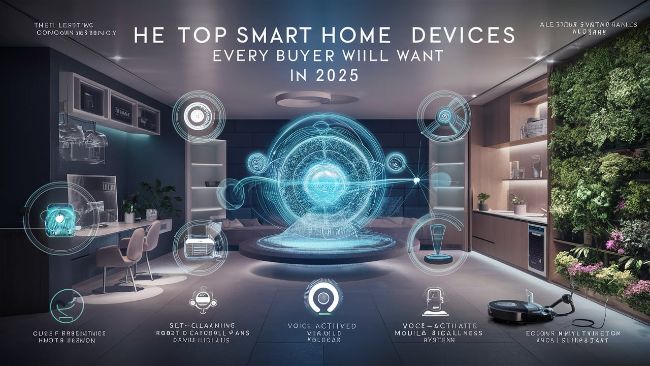
Congratulations! In the year 2025, you will be able to change your living space entirely. From their initial conception, smart homes have evolved into practical, energy-efficient, and convenient living spaces. In this lesson, you will learn about smart devices that can automate and streamline different aspects of your daily life. You will be able to save energy, time, & effort, all while managing your home from a distance.
By the end of this lesson, you will be able to make smart device choices. We address the areas of security, connectivity, lighting, and device cleaning, amongst others. These devices can seamlessly be incorporated into your daily activities. You will learn the benefits, downsides, and the practical uses of these devices.
For sellers and investors, it’s important to master the basics of property flipping and strategies for maximizing rental ROI. Knowing how sustainable real estate gains value, planning for closing costs, and even learning how to sell a home by owner can make all the difference in achieving long-term success.
Smart Home Devices: Essentials of Modern Living
A smart home system is easy and convenient to use with a smartphone, which is handy for security purposes. With the use of smart home cameras, the lights, and thermostats, you can save energy while also enjoying the comfort and style of your home.
Benefits You Will Enjoy:
- You will have the satisfaction of knowing that you are consistently saving energy.
- You can monitor your home via a smartphone app while you are away on business.
- You are able to enjoy the convenience of hands-free operation.
- You shall improve your home security.
1. Smart Thermostats: Personalized Climate Control
Think of how nice it would be to walk into your home and immediately be enveloped in the perfect temperature. Smart thermostats for homes devices can learn the heating and cooling settings for your schedule, and will, therefore, adjust the temperature accordingly. You will pay less in energy bills, and you can also change the settings from your smartphone.
How They Work
Smart thermostats use artificial intelligence and sensors detecting your movements. They track your activities and optimize energy consumption for savings and comfort. Their automatons help you save with lower energy costs. They will alert you if the temperature changes unexpectedly.
Benefits of Using Smart Thermostats
- The ease of use makes them popular.
- Users appreciate them due to the comfort they provide.
- They can be easily managed and controlled from anywhere.
Real Life Example
The previous winter, Sara put a smart home thermostat in her house. She observed 15% savings in her energy bills. The thermostat easily follows your family’s schedule. And, if necessary, She could take it while she was abroad.
2. Smart Lighting Systems: Ambiance at Your Fingertips
Home lighting systems make the place cozier. They can be controlled with the help of your voice, app, and text. You can set automatons and notifications for each task.
Setting up Smart Lights
With smart technology bulbs or switches, you can easily install and quickly get them connected to the Wi-Fi or to a hub, and complete advanced schedules such as, automating routines and dimming lights to complete a scene for winding down or for working.
Advantages
- Electricity can be saved.
- Electricity and ambiance can be saved.
- Simultaneous control in multiple rooms is possible.
Practical Tip
Voice-controlled lights connected with a smart speaker as in John’s case is a practical example. When lights turn on and he starts watching a movie, they will adjust themselves leaving the rest to John for the perfect home theater experience and switches won’t have to be touched.

3. Your Smart Home Hub and Voice-Controlled Assistants
Control is centralized with devices such as an Amazon Echo or Google Nest Hub. More than one appliance can be controlled with voice command to play music, adjust temperatures, or control lighting which is a hands-free technique for convenient control.
Features You Will Love
- Scheduling of tasks is effortless.
- Lights and appliances can be combined.
- Alerts and reminders are received as they happen.
Expert Insight
Voice assistants are clinically proven gadgets as according to the Consumer Technology Association, projecting that 62% of homeowners now use them daily as a voice assistant. Home automating is simplified because the multiple tasks can be moderate without leaving the chair.
Real-Life Example
While cooking, Aisha utilizes her voice assistant. Without using her hands, she changes the lights and adjusts the thermostat. She saves both time and energy. You will appreciate the efficiency gained in routine tasks.
4. Smart Security Cameras: Enhanced Home Monitoring
Smart cameras help you in keeping your home secure. In addition to HD video, smart security cameras provide motion alerts, two-way voice communication, and permit remote access for monitoring your premises. You will prevent unauthorized access to your home and monitor your deliveries.
Key Features
- You will receive alerts in real time.
- You have the ability to access footage saved in the cloud.
- Cameras can be operated remotely from smart devices.
Real-Life Scenario
Ahmed has installed cameras at the entry points. He received notifications and was able to visually communicate with the visitors when he found his packages. You will be able to have greater peace of mind when you leave your house.
Installation Tip
You will achieve better security coverage with reduced blind spots by placing cameras in the entry points, halls, and driveways while maintaining strong Wi-Fi.
5. Smart Plugs and Switches: Upgrading Non-Smart Devices
Not every device is a smart device, but they can be upgraded. Smart plugs and switches offer remote accessibility to lamps, fans, and other electronic devices. They also permit the automation of multiple tasks and monitoring of energy consumption. They are inexpensive and simple to set up.
Benefits
- You can access and control the devices from any remote location.
- You will reduce the bills.
- You are able to set the devices on a timer.
- You can set up automation for your daily tasks.
Practical Example
Fatima set up smart plugs on the living room lamps. The lights would turn off automatically at bedtime, thus reducing energy consumption. You will save the same amount.
6. Smart Locks: Modern Living is a Key less Smart Lock
You get to enjoy complete control of smart locks. You can lock and unlock doors from a distance. You can assign and send temporary codes to users such as guests. You get to remove the hassle of misplaced keys. Home automation system integration provides additional layers of security.
Advantages
- You can track the access history of the lock.
- You will be able to share access restricted areas for a limited duration with ease.
- You will gain a balance between security and convenience.
Real-Life Example
Omar shares temporary remote access to his cleaner. He has complete control over every lock and unlock. You will be more relaxed knowing your home is only accessible to the people you want.
7. Robot Vacuums: Cleaning Made Easy
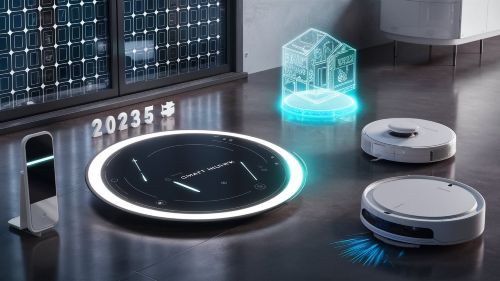
With a robot vacuum, you get to save a lot of time. Machines like the Roomba or the Roborock do the dirty work without help, complete their work on a certain time, and follow intricate maps. These machines are made to be operated through apps, and with their help, you will be able to make your floors shine without any work.
Benefits
- Cleaning will be more automated.
- You will like the very much advanced navigation.
- You will reduce your effort.
Real-Life Example
Nadia sets the machine to vacuum every morning. By the time she comes back, the floors are spotless. Nadia likes how the machine makes her life easier and more productive. You will also enjoy the same improvements in your house.
8. Smart Devices: The Next Milestone in Appliance Innovation
Make your kitchen smarter by employing modern Wi-Fi enabled appliances. Smart ovens, fridges, and dishwashers not only provide cooking and cleaning remote access, they control energy. Monitor and manage insightful energy usage by receiving real-time suggestions.
Key Features
- Ovens and smart refrigerators can be controlled remotely.
- Scheduled maintenance will be suggested.
- Integration with other systems will be enabled.
Practical Example
Ali can access and monitor recipes based on low stock groceries available. By receiving location-based suggestions, prompted by stock levels, Ali saves resources by not letting groceries go to waste. Utilize appliances and indulge to higher accuracy and lesser waste.
9. Automated Home: Complete Home Automation
Transform all of your smart devices into unified tools. It is now possible to control the light, set the temperature, security, and rest of the appliances in the house all at once. Less effort and more efficiency is gained by automation and streamlining of tasks. Set remote access with set routines to control device operation.
Benefits
- You can set schedules to automate power use, creating energy-saving routines.
- Smartphones can fuse with multiple devices, offering centralized access.
- The smart devices available can be utilized to monitor and assess how energy is saved.
- Use the tools available to enhance your home systems.
Real-Life Example
Rashid can enjoy real-life convenience with the home automation system he installed: the system dims the lights, pots the coffee, and adjusts the heating. Apart from time saving, he experiences effortless routine. You shall feel similar convenience integrating devices.
10. Energy Management: Smart Saving
Smart energy devices allow you to track and save energy spent. Apps allow you to monitor your energy consumption. Smart devices will send alerts to users and help them find appliances with high-energy consumption. This way, you will be able to save more money spent on electricity bills.
How to Maximize Savings
- Running appliances with set timers during off-peak hours.
- Adjustable thermostats with learning schedules.
- Routine monitoring of energy-used plugs.
- If available and possible, integrate solar or other renewable sources.
Expert Advice
U.S. Department of Energy states that the deployment of smart devices assists in energy expenditure optimization (Source: energy.gov). You shall find practical guidance for your smart home journey.
11. Advanced Security Integration: Total Home Protection
Smart security cameras combined with smart locks, sensors, and alarms create total home protection. You are able to see the entry points and monitor for unusual activity. You get alerts and can respond to emergencies from anywhere.
Pro Tips
- Keep cameras focused on the entry points and other critical areas.
- Use motion sensors as an extra layer of security.
- Check system alerts frequently to verify functionality.
- Connect with voice control systems for ease of use.
Real-Life Example
Hassan employs an entire system to oversee his home. The cameras, sensors, and smart locks interface seamlessly. He gets notifications when there is movement and when doors are left ajar. Integrated systems will give you peace of mind.
12. Smart Phones and Tablets: Integrated Devices for Ease of Use
You can integrate your smart TVs, speakers, and other streaming devices into your smart ecosystem. Voice commands and app control are useful. You will have an easy time using the devices and have fun with hands-free operation.
Features
- You are able to give numerous devices a command and have them perform an action.
- You can set home devices to standby and then on to automate the movie watching process.
- Home assistant devices will be used.
Practical Tip
Movie nights become more fun with colored lighting effects. You will make watching movies even more enjoyable with home systems.
13. Smart Sensors: Awareness Everywhere
Each of the sensors can detect a person’s movements, leaks, monitor the quality of air, and track temperatures. You can avoid damage and be more comfortable. Alerts notify you immediately. You can prevent problems before they develop.
Benefits
- You can detect leaks early.
- You shall improve air quality.
- You will keep track of security movements.
Real-Life Example
Fatima receives a notification of a water leak underneath the sink. She is able to prevent damage early. You can reduce your repair costs by using smart sensors.
14. System Integration: Streamlining Your Smart Home
Integration gives systems pieces functionality. From hubs and voice app control to automation routines combining lights, thermostats, and security, you can manage everything effortlessly.
Tips for Smooth Integration
- Ensure your Wi-Fi coverage is strong.
- Keep all your systems updated with firmware.
- Test all devices after installation.
- Use singular applications for multiple devices if possible.
Complete Checklist Of Smart Home Devices
| Device | Pros | Cons |
|---|---|---|
| Smart Thermostats | Energy savings, remote control, comfort | Installation cost, requires C-wire |
| Smart Lighting | Customizable, energy-efficient, smart control | Wi-Fi dependent, costly bulbs |
| Voice Assistants | Hands-free, compatible, updates regularly | Privacy concerns, internet required |
| Security Cameras | HD video, motion detection, remote alerts | Subscription fees, technical setup |
| Smart Plugs | Affordable, easy setup, energy monitoring | Limited functions, high-power limits |
| Smart Locks | Remote access, temporary codes, integration | Battery dependent, security updates |
| Robot Vacuums | Automated cleaning, efficient, app control | Maintenance required, carpet challenges |
| Smart Appliances | Remote control, energy-efficient, smart integration | High upfront cost, internet needed |
When navigating today’s housing market, buyers are increasingly drawn to properties with smart home features and eco-friendly upgrades. Understanding local market shifts and emerging real estate trends can help both investors and first-time buyers make confident decisions while avoiding costly mistakes.
FAQs
Q1: Can all devices work together?
Q2: Do I need Wi-Fi for all devices?
Q3: Are smart devices safe from hackers?
Q4: Can smart devices save money?
Q5: Do I need professional installation?
Q6: How do I maintain smart devices?

Conclusion
In 2025, the entire home can be awash in smart devices. There is a new range of smart devices available like smart home thermostats, voice-activated lights, home appliances, and security cameras—all designed to optimize time and resources. When appliances are connected, their activities can optimize routines for improved functionality.
To achieve this, careful planning, installation, and maintenance must be exercised. Testing automation, connection, and monitoring energy expenditure is critical. It is advisable to begin with one appliance then integrate others.
For more information on smart homes, HotProp is an advisory on home technology with automation and offers useful information for all stages involved in smart home planning.